The Meaning of Space Exploration
Space exploration is not just about rockets, astronauts, or distant planets.
It is about extending human presence beyond Earth, pushing technological limits, and redefining how we understand our place in the universe.
From the first satellites orbiting Earth to robotic missions exploring Mars and beyond, space exploration represents one of humanity’s most ambitious and transformative endeavors. It combines science, engineering, curiosity, and survival instinct into a single, ongoing story.
Exploring space is how humans test what is possible.
The Early Steps Beyond Earth
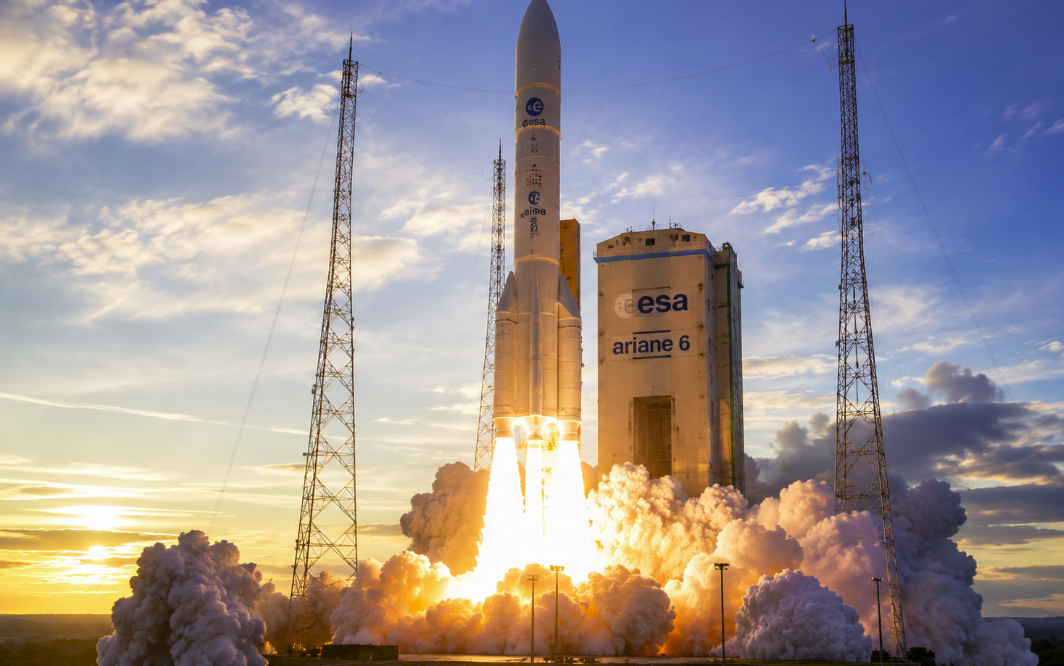
The modern era of space exploration began in the mid-20th century, when humans first learned how to escape Earth’s gravity. Early missions focused on proving a simple concept: we can leave our planet and come back.
Launching satellites allowed us to:
-
Observe Earth from above
-
Improve global communication
-
Study weather, climate, and geography
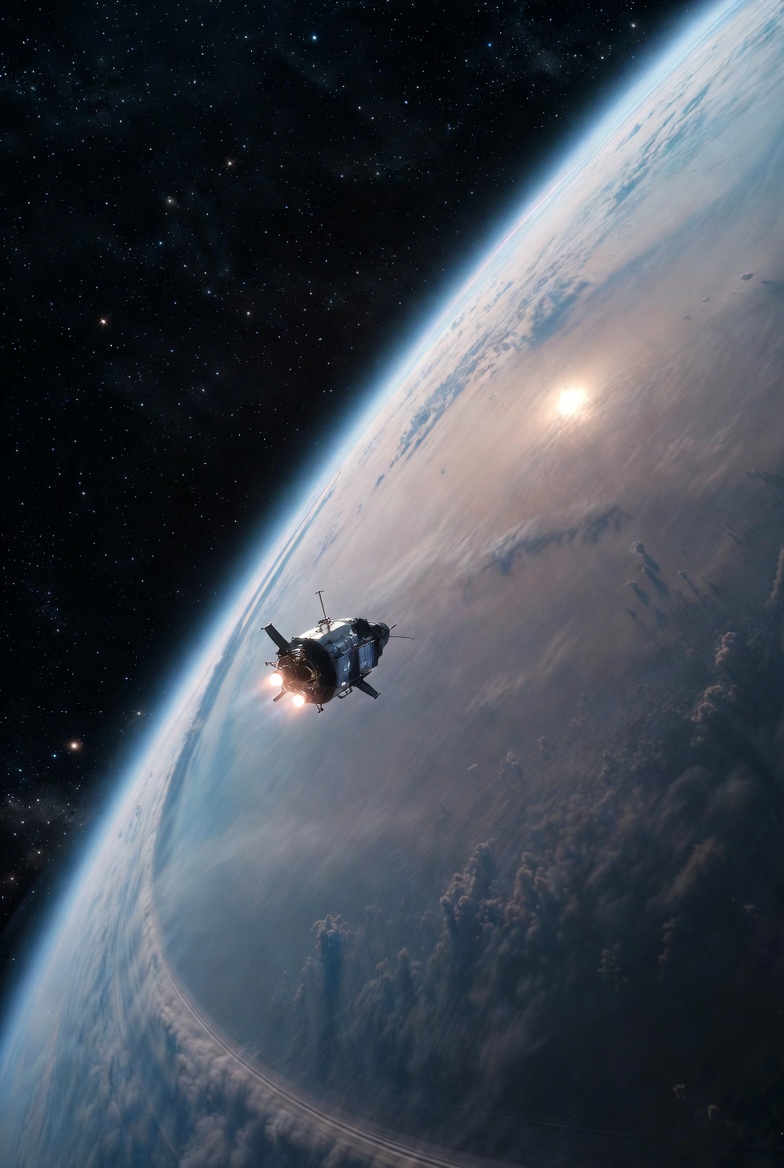
Soon after, human spaceflight followed. Astronauts orbiting Earth demonstrated that humans could survive in microgravity, operate complex systems, and adapt physically and mentally to space environments.
Each mission built confidence and knowledge, step by step.
The Moon: Humanity’s First Destination
Reaching the Moon was more than a technological achievement. It was a psychological milestone.
For the first time in history, humans walked on another celestial body. The Moon became proof that space exploration was not science fiction, but engineering, planning, and courage.
Moon missions taught us:
-
How to navigate and land on another world
-
How to operate vehicles and instruments in extreme conditions
-
How fragile human life is outside Earth
Even decades later, the Moon remains central to space exploration plans. It is now seen as a testing ground for deeper missions into space.
Robotic Exploration: Eyes and Hands Across the Solar System
Not all exploration requires humans. Robotic missions have transformed our understanding of the solar system.
Space probes and rovers have:
-
Landed on Mars
-
Flown past Jupiter and Saturn
-
Touched comets and asteroids
-
Traveled beyond the edge of the solar system
Robots can survive environments that would instantly kill humans. They operate for years, sometimes decades, sending back data that reshapes scientific theories.
Mars rovers, in particular, have revealed a planet that was once warmer, wetter, and potentially habitable. Signs of ancient rivers, lakes, and chemical ingredients for life suggest that Mars may once have hosted conditions suitable for biology.
Exploration does not always mean presence — sometimes it means interpretation.
Why Space Exploration Matters on Earth
A common question is: Why spend resources on space when Earth has problems?
The answer is simple: space exploration solves Earth problems more often than people realize.
Technologies developed for space are now used in:
-
Medical imaging
-
Satellite navigation and communication
-
Climate monitoring
-
Disaster prediction and response
-
Materials science and energy efficiency
More importantly, space exploration forces long-term thinking. It encourages cooperation across nations, disciplines, and generations. It reminds humanity that Earth is a shared system with finite resources.
Looking outward helps us protect what we have.
The Rise of Commercial Spaceflight
In recent years, space exploration has entered a new phase: commercial involvement.
Private companies now:
-
Launch satellites
-
Transport cargo and crew
-
Develop reusable rockets
-
Plan future space stations and lunar missions
This shift has dramatically reduced launch costs and increased innovation. Reusable rockets, once considered impossible, are now routine.
Commercial spaceflight does not replace government agencies — it complements them. Together, they accelerate progress and open new possibilities for exploration, research, and even tourism.
Space is no longer exclusive. It is becoming accessible.
Mars and the Future of Human Exploration
Mars represents the next great frontier.
Unlike the Moon, Mars has:
-
A day similar in length to Earth’s
-
Evidence of past water
-
Vast resources such as ice and minerals
Sending humans to Mars would require solving enormous challenges:
-
Long-duration life support
-
Radiation exposure
-
Psychological isolation
-
Sustainable habitats
Yet these challenges are exactly why Mars matters. Learning to live on another planet would redefine what it means to be a multi-planetary species.
Exploring Mars is not about escape.
It is about resilience.
Beyond the Solar System: A Long-Term Vision
While current missions focus on nearby worlds, space exploration ultimately points toward the stars.
Interstellar exploration remains far beyond current technology, but scientific research is already laying the groundwork:
-
Studying exoplanets
-
Understanding stellar systems
-
Searching for biosignatures in distant atmospheres
Each discovery expands the map of potential futures. Even if humans never physically travel to other star systems, understanding them changes how we define life, rarity, and significance.
The universe is vast, but curiosity scales with it.
Space Exploration as a Human Trait
Exploration is not optional for humanity — it is fundamental.
From crossing oceans to climbing mountains, humans have always moved toward the unknown. Space is simply the next horizon.
Exploring space teaches us:
-
Humility in the face of scale
-
Discipline in planning and execution
-
Unity through shared perspective
When astronauts look back at Earth from orbit, they see no borders. Only a fragile blue world floating in darkness.
Space exploration does not distance us from Earth.
It brings us closer to understanding it.
The Journey Has Just Begun
Despite decades of progress, space exploration is still in its early chapters.
We are learning how to:
-
Travel efficiently
-
Live beyond Earth
-
Work across planetary distances
Each mission builds on the last, pushing the boundary of what is known. The future of space exploration will not belong to a single nation or company, but to humanity as a whole.
The universe is open.
And we have only just stepped outside.