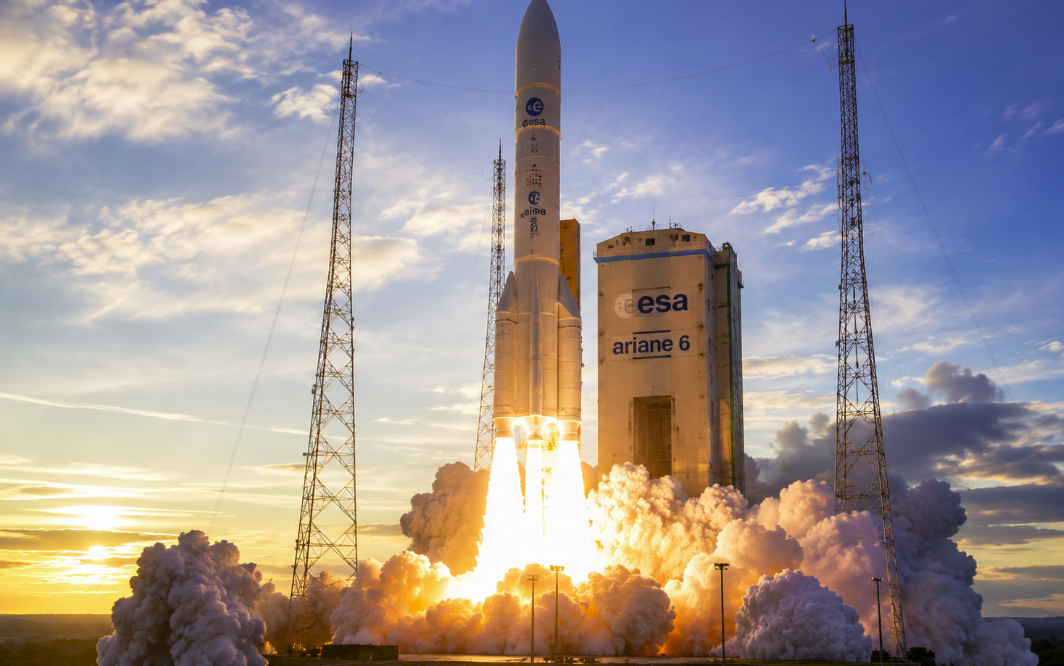
NASA appears to be adjusting parts of its Artemis launch strategy as the program continues evolving toward a human return to the Moon.
Recent updates suggest changes in how certain rocket components and missions are being sequenced within the Artemis architecture. The adjustments seem to reflect the complex logistics behind assembling heavy-lift launch systems, integrating spacecraft, and preparing the infrastructure needed for sustained lunar missions.
While the Artemis rocket roadmap itself is gradually becoming clearer, questions remain around another critical element of the program: the lunar landers.
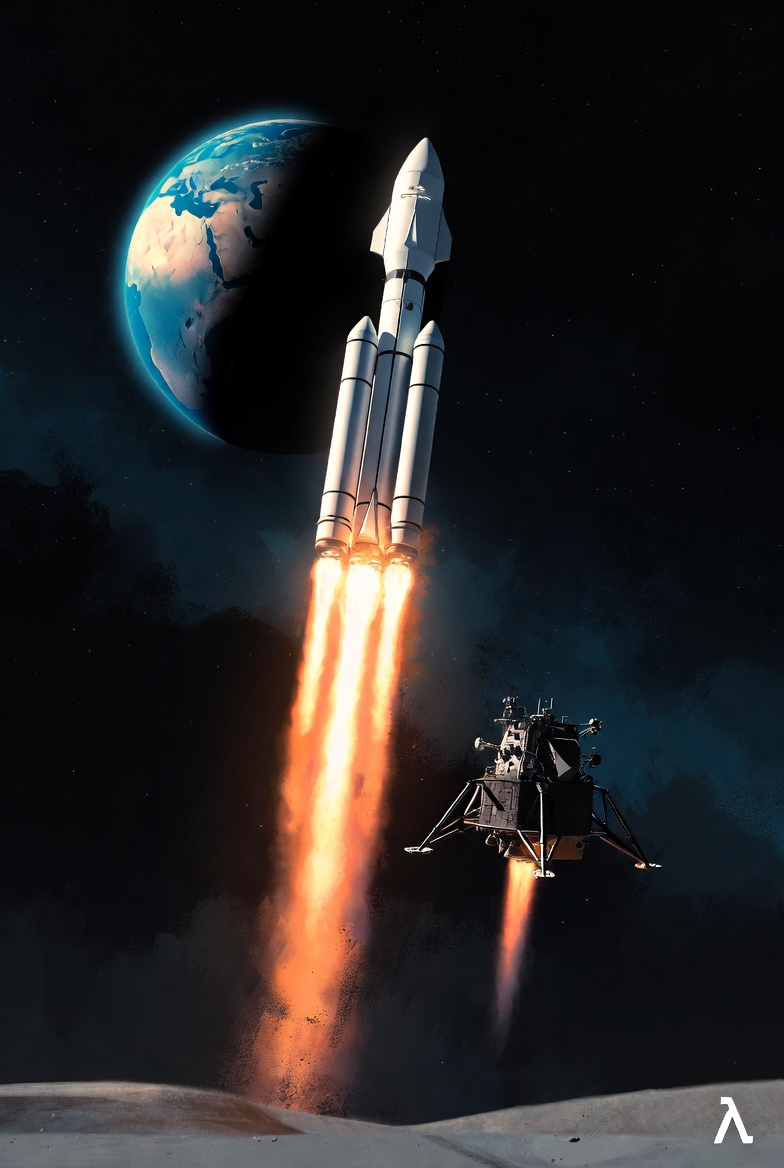
The Artemis missions rely on a separate landing system designed to transport astronauts from lunar orbit down to the Moon’s surface and back again. Several commercial partners are working on these systems, but timelines and technical readiness are still closely watched across the space industry.
These landers are essential to the broader goal of establishing a sustainable human presence near the Moon. Without a reliable landing system, the rest of the Artemis architecture cannot fully deliver on its long-term exploration objectives.
NASA’s adjustments to its rocket planning may therefore reflect the broader challenge of synchronizing multiple technologies developed across different organizations, including launch systems, lunar landers, and orbiting infrastructure.
Programs of this scale often evolve as engineering realities meet mission timelines. Artemis is one of the most complex spaceflight efforts attempted since the Apollo era, combining government systems and commercial spacecraft into a single exploration framework.
For now, the reshuffling of rocket planning does not necessarily indicate a fundamental change in NASA’s lunar ambitions. Instead, it highlights the ongoing process of aligning launch vehicles, spacecraft, and landing systems into a mission architecture capable of supporting human exploration beyond Earth orbit.
As the Artemis timeline continues to develop, the readiness of lunar landers may ultimately become one of the defining factors in determining how quickly humans return to the surface of the Moon.