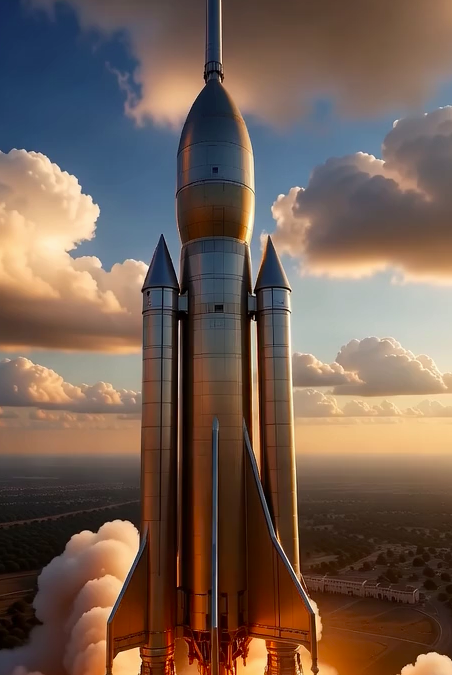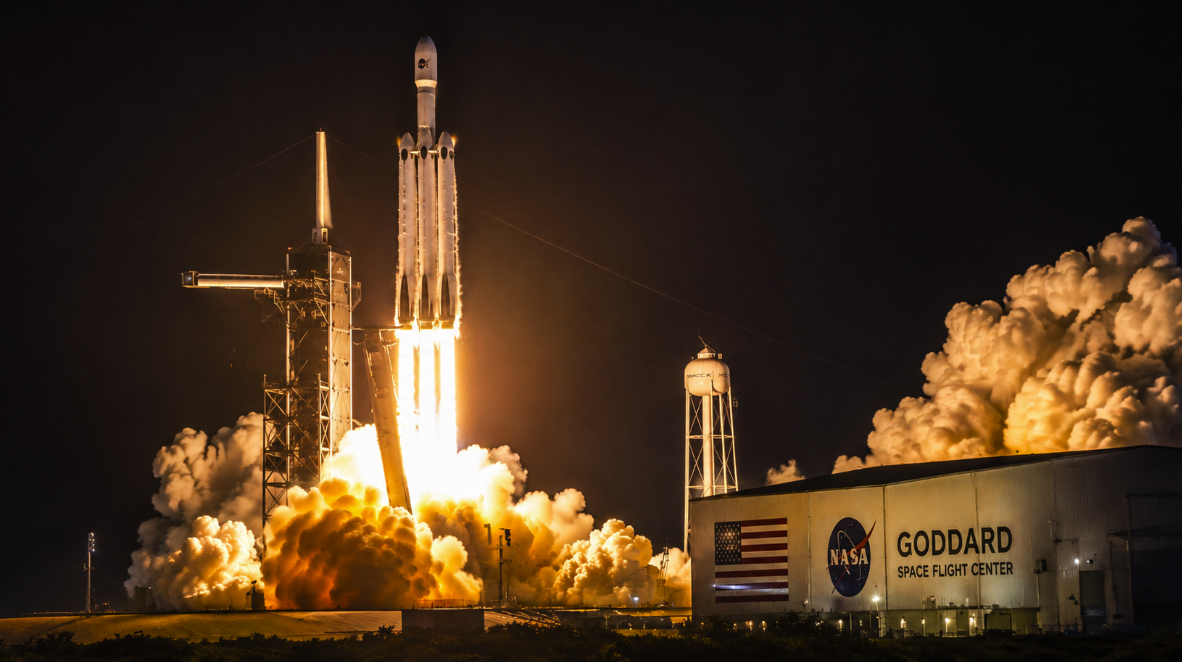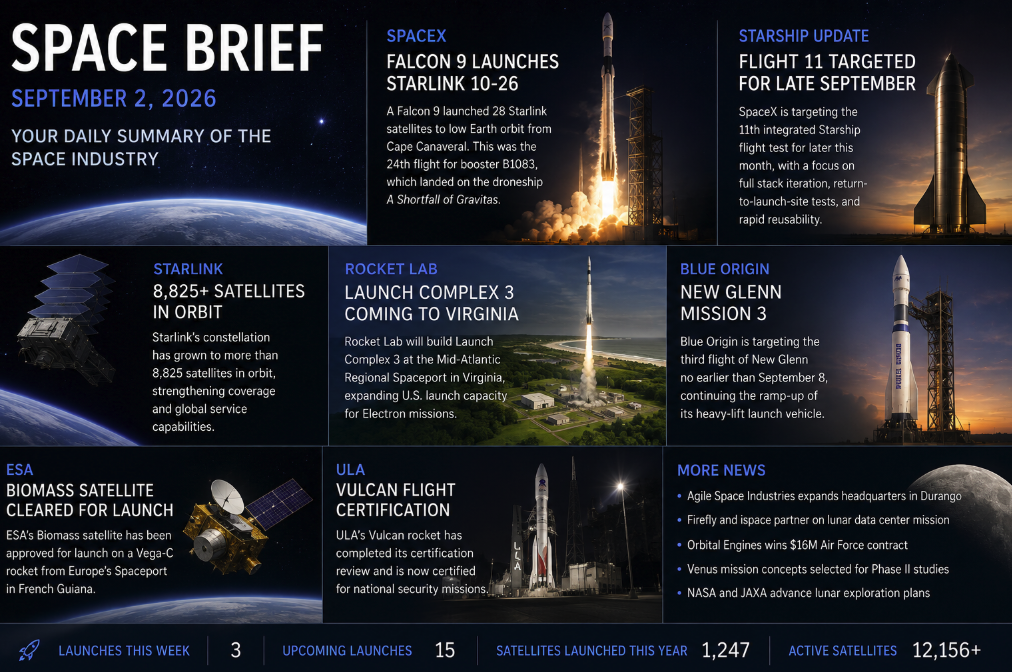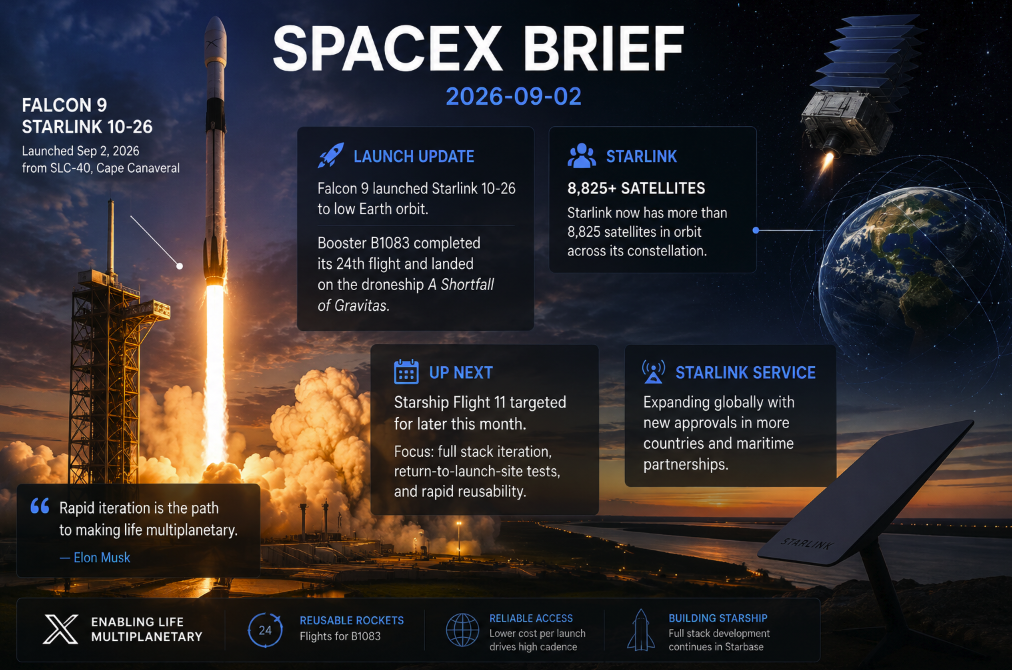
One of the most discussed aspects of SpaceX’s Starship program is its potential impact on the economics of spaceflight.
Starship is designed to be fully reusable. Both the Super Heavy booster and the spacecraft are intended to return to Earth and fly again.
If that system works as planned, launch costs could drop significantly compared to traditional expendable rockets.
Lower launch costs could change how the space industry operates. Large satellite deployments, lunar missions and deep-space exploration may become more financially viable.
Starship is also designed to carry much larger payloads than most current launch vehicles. That could enable missions that previously were considered too expensive or technically complex.
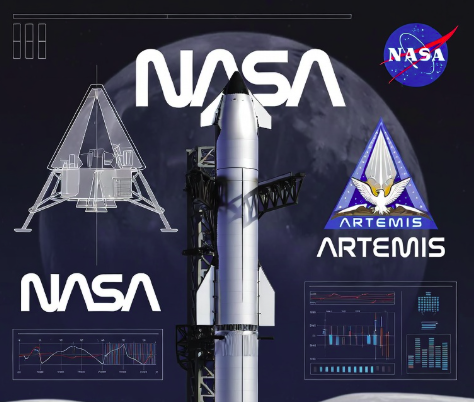
NASA is already relying on a modified Starship version as the Human Landing System for the Artemis Moon missions.
At the same time, SpaceX continues testing and refining the rocket through iterative launches.
Much of the long-term vision goes beyond the Moon. Elon Musk has repeatedly said Starship is intended to eventually support missions to Mars.
Whether that happens will depend on how the testing program evolves and how quickly the vehicle can reach operational reliability.
For now, Starship remains one of the most closely watched projects in the space industry.