A Signal, Not an Announcement
Reading recent posts and statements from Elon Musk, a subtle but consistent signal emerges.
Not a launch.
Not a roadmap.
Not even a timeline.
Instead, a shift in framing.
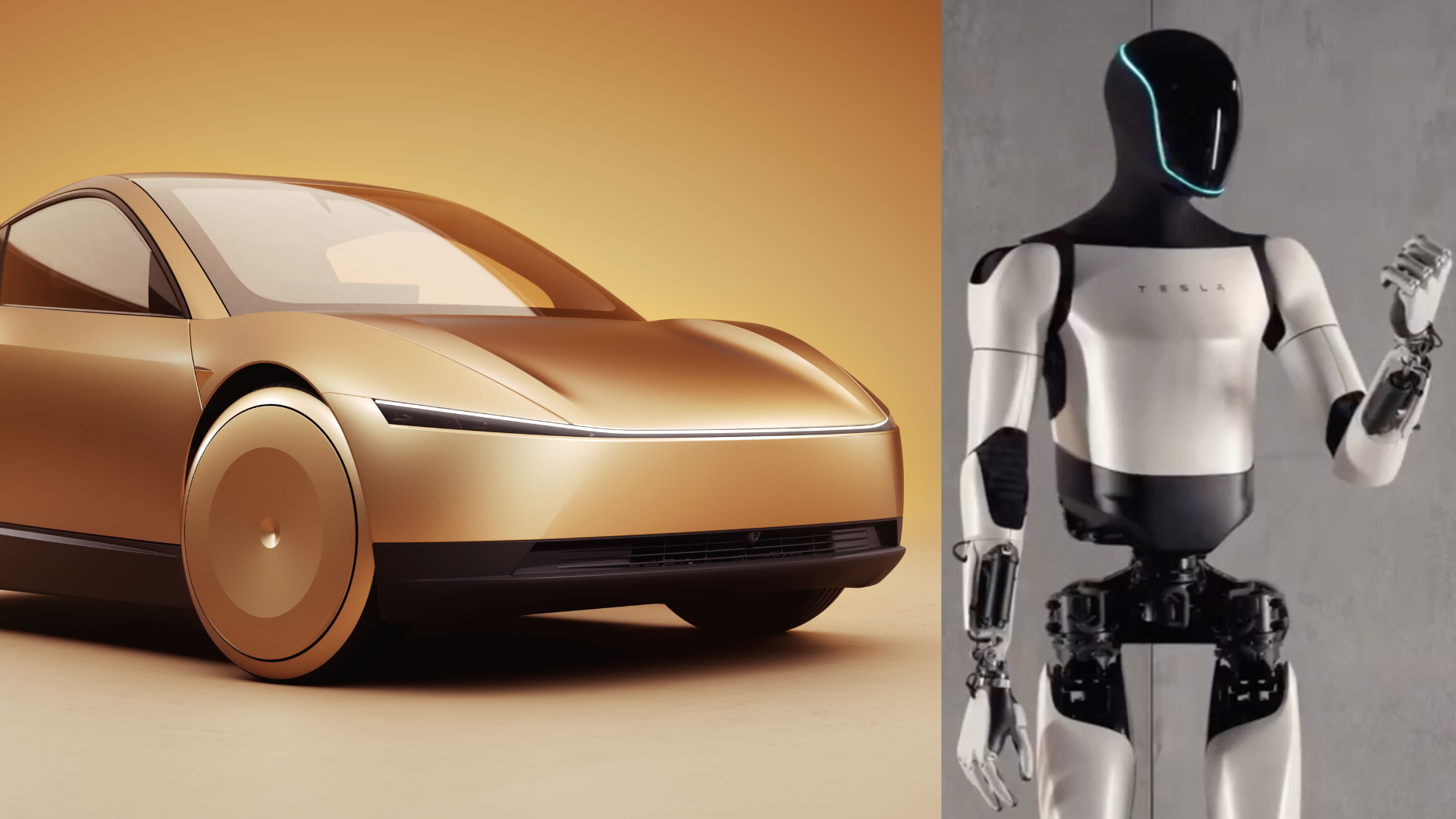
When Musk talks about Optimus, cars appear less central. Not dismissed, not deprecated — simply no longer the core narrative. And that detail matters more than it seems.
Because when a company stops talking primarily about products, it usually means it has started talking about systems.
Tesla Was Never Just a Car Company
Tesla is still widely described as an automotive brand. But historically, that label has always been incomplete.
From its earliest days, Tesla’s real focus has been:
-
energy flows
-
autonomous decision-making
-
real-world AI under physical constraints
-
feedback loops between software and environment
Cars were the first stable interface where all these elements could converge.
They were not the destination.
They were the training ground.
Why Optimus Changes the Equation
Optimus is often described as:
-
a humanoid robot
-
a factory worker replacement
-
a cost-saving automation tool
All three descriptions are technically accurate — and strategically misleading.
Optimus is not designed around a single task.
It is designed around context transfer.
A system that can:
-
observe
-
adapt
-
learn across environments
-
collaborate with humans rather than execute isolated commands
That puts Optimus in a different category than industrial robots.
It’s not automation.
It’s embodied intelligence.
From Machines for Humans to Machines with Humans
For most of technological history, machines followed a simple rule:
humans decide, machines execute.
AI breaks that model.
Modern AI systems:
-
interpret intent rather than instructions
-
infer goals from incomplete signals
-
operate probabilistically, not deterministically
Optimus represents the physical manifestation of this transition.
Not a machine that replaces human labor.
But a machine that extends human agency.
This is why Optimus matters more than any single vehicle model.
Why Cars Become Secondary — Without Becoming Obsolete
Saying that cars may become less central to Tesla does not mean cars are failing.
It means they are complete.
Cars:
-
scale linearly
-
face regulatory ceilings
-
saturate markets
Embodied AI systems:
-
scale behaviorally
-
learn across domains
-
compound value over time
A car improves by iteration.
A learning system improves by experience.
That difference alone explains the strategic pivot.
The Real Asset: Learning in the Physical World
Most AI today learns in digital environments:
-
text
-
images
-
simulations
Optimus learns in the physical world.
That means:
-
friction
-
unpredictability
-
human interaction
-
consequence
This kind of learning is slower — and exponentially more valuable.
Because intelligence trained in reality transfers better than intelligence trained in abstraction.
Tesla understands this. That’s why Optimus is not rushed as a consumer product.
It’s a system being raised, not shipped.
A Philosophical Shift, Not a Market One
This transition is not primarily economic.
It’s philosophical.
We are moving from:
-
tools
to -
collaborators
From:
-
efficiency-first systems
to -
purpose-aligned systems
Optimus doesn’t just ask:
“What task should I perform?”
It implicitly asks:
“What role should I play?”
That question changes everything.
Tesla as a Systems Company
Seen through this lens, Tesla is evolving into something closer to a human–machine systems company.
Cars, robots, energy, AI — these are not separate verticals.
They are interfaces into the same intelligence stack.
Optimus is simply the interface where that stack becomes visible.
Why This Matters Beyond Tesla
Zoom out far enough, and this isn’t a Tesla story.
It’s a civilizational one.
We are witnessing the early phase of:
-
shared intelligence
-
distributed agency
-
human–machine ecosystems
The companies that matter most in the next decade will not be those that sell the best products.
They will be the ones that define:
-
trust
-
collaboration
-
alignment
Between humans and machines.
Final Thought: Purpose Over Product
This is why Tesla’s direction feels different today.
The core question is no longer:
“What can we build next?”
But:
“What kind of relationship should humans have with intelligent machines?”
Cars answered a chapter of that question.
Optimus opens the next one.
Not as a replacement.
Not as a threat.
But as a collaborator.
LMBDA Note
At seo.lmbda.com, we don’t analyze rankings.
We analyze transitions.
Because systems don’t change overnight.
They change meaning first.